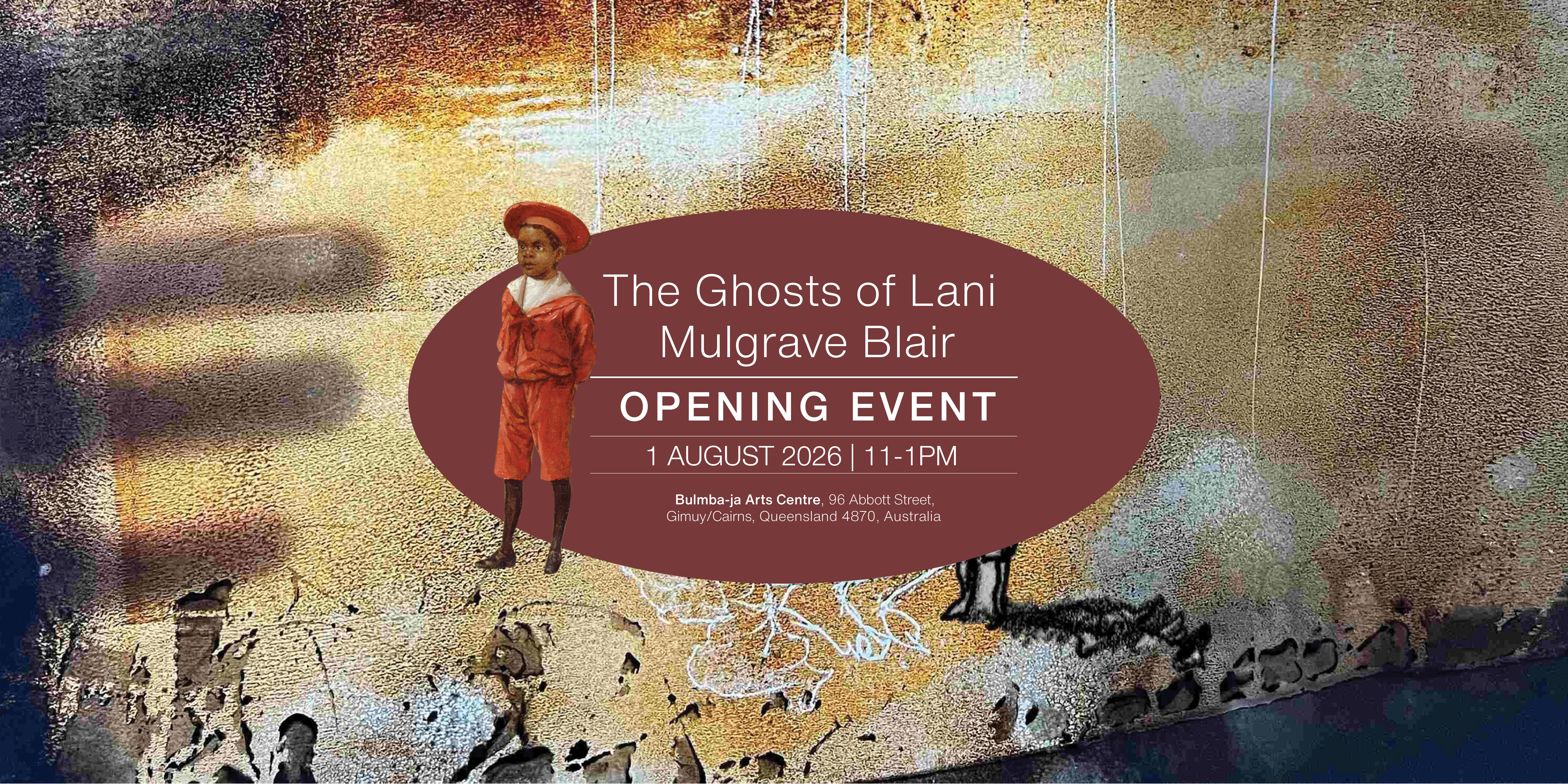
The Ghosts of Lani Mulgrave Blair
30 July — 19 September 2026
Paul Bong Bindur-Bullin, Demons Land Collective, Jaymen Drahm, Carl Fourmile, Carl Kahler
Curated by Henrietta Marrie and Andrea Bubenik.
2026 marks 150 years of resilience, resistance, and cultural survival for the Yidinji Nation since the colonial occupation of Gimuy/Cairns. The Ghosts of Lani Mulgrave Blair, a major exhibition at NorthSite Contemporary Arts, is part of a year-long program that invites audiences to walk alongside Yidinji leaders and community members as they reclaim their histories through storytelling, language revitalisation, and the living presence of cultural objects and traditions.
Step into an extraordinary story of survival and return.
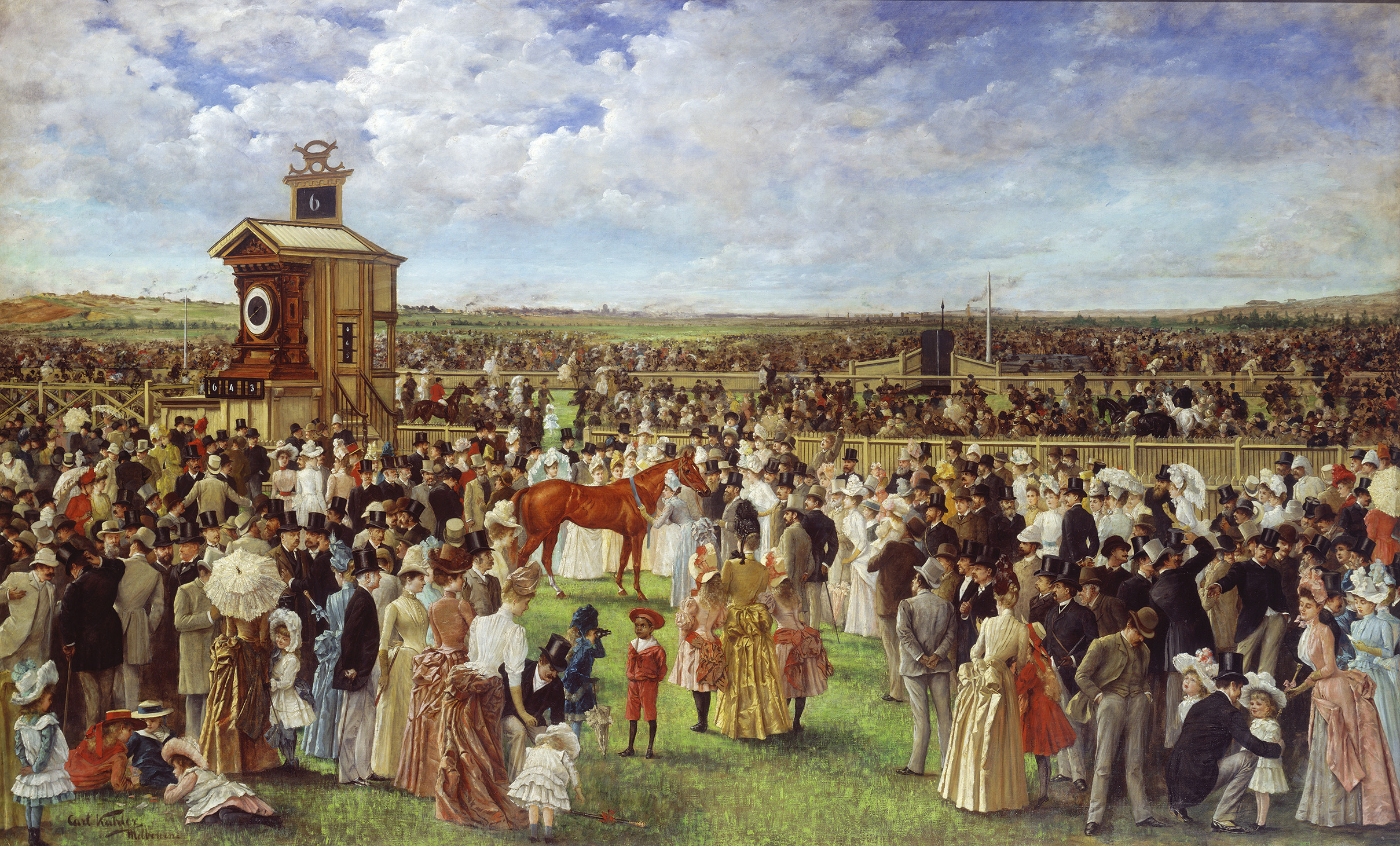
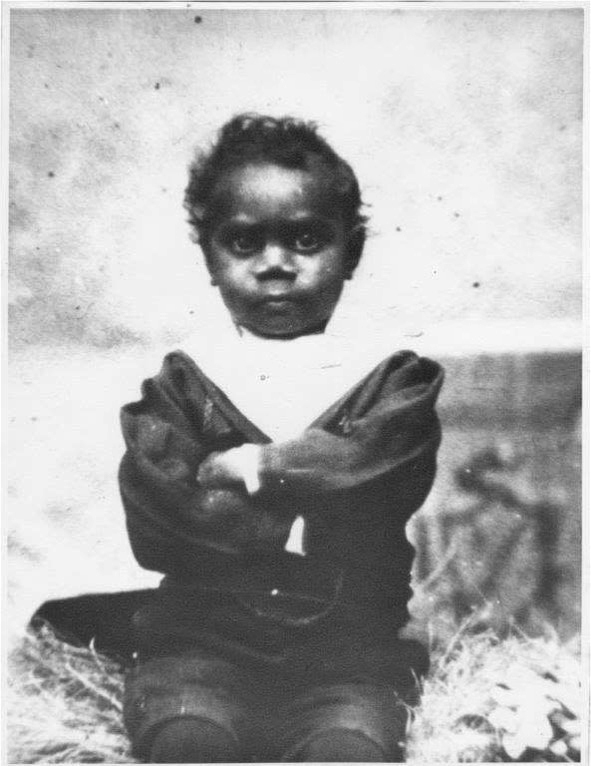
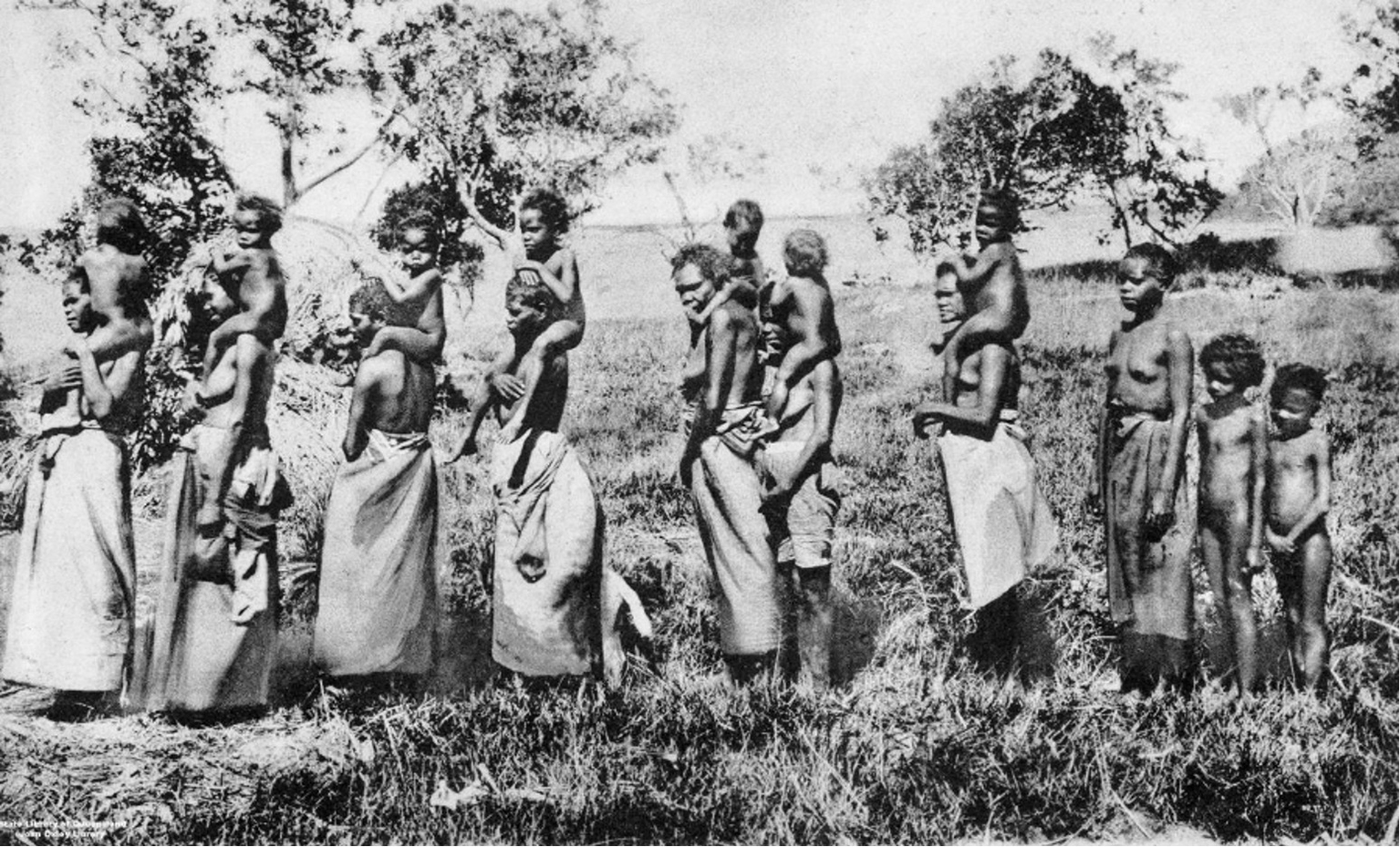
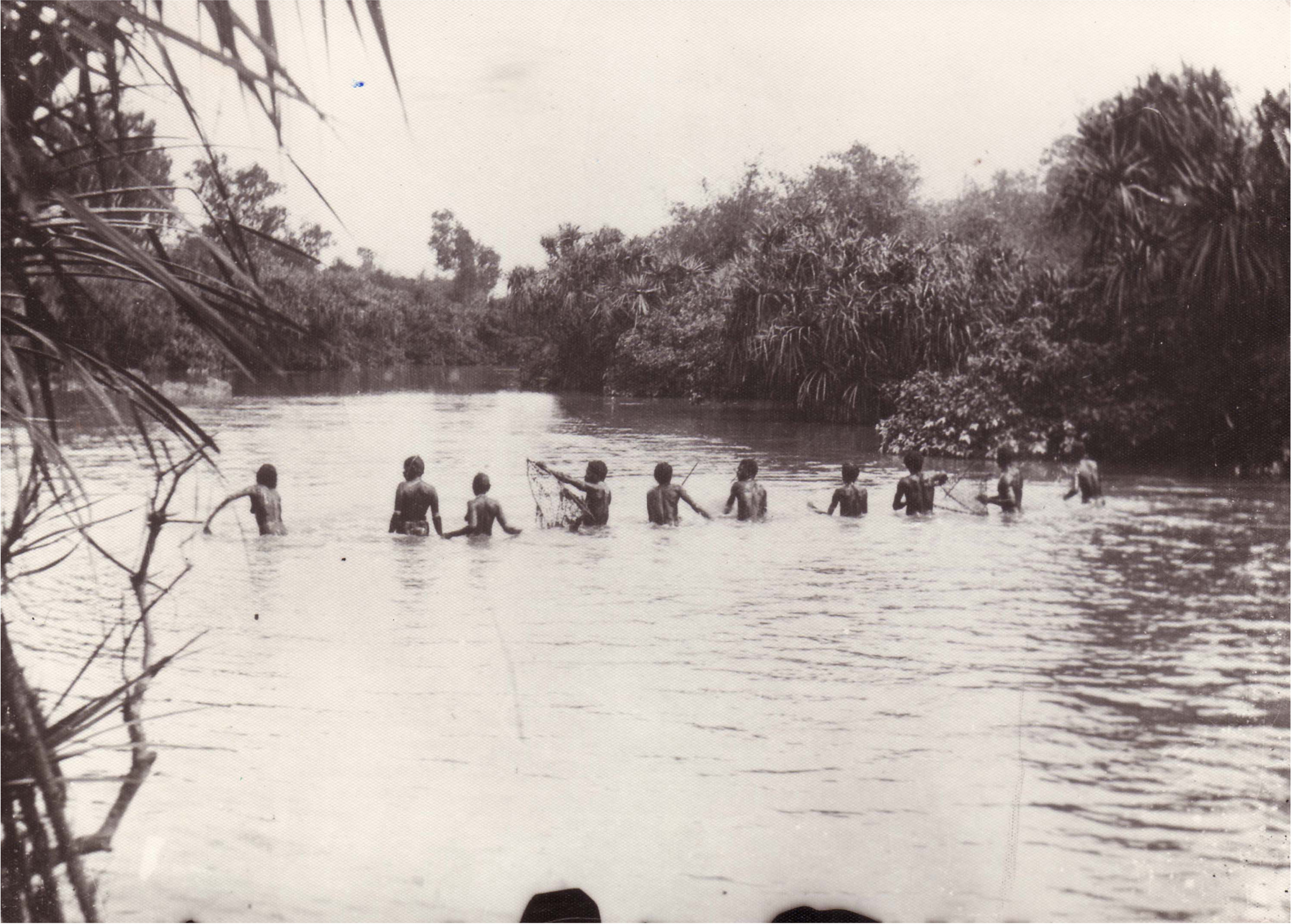
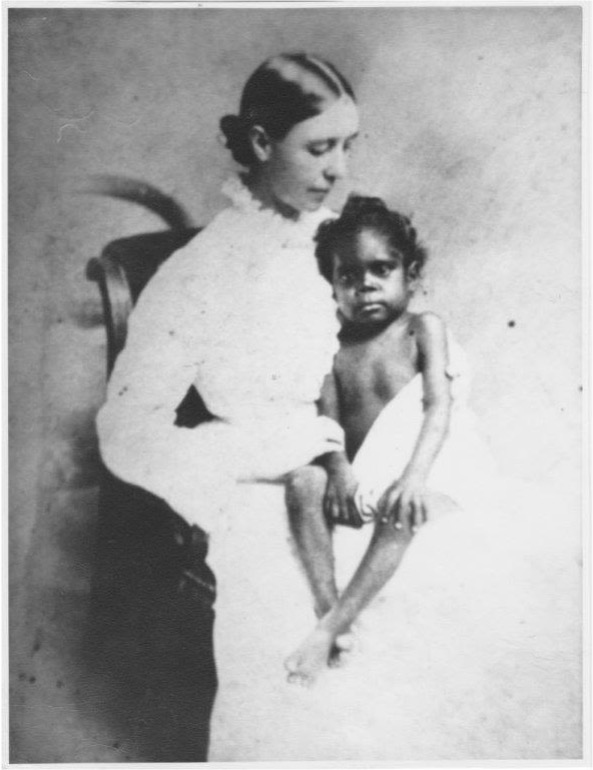
The Ghosts of Lani Mulgrave Blair traces the life and afterlife of Lani Mulgrave Blair (1883–1900), a Yidinji boy who was taken from the Mulgrave River during a period of violent frontier massacres and then trafficked to Melbourne, where he was raised within colonial society by Dr and Mrs Blair. His story reaches us in fragments—photographs, newspaper clippings, an elaborate painting at the Flemington Racecourse, and a monumental gravestone in Melbourne General Cemetery—but it also lives in Yidinji storytelling and Country, which continue to hold and return his presence.
Lani’s story resonates with broader histories of stolen children, frontier violence, displacement, and assimilation. In reclaiming his story, the exhibition confronts the legacies of colonisation while affirming the strength and continuity of Yidinji culture.
Through historical materials, intergenerational oral histories, and new works by Yidinji artist Paul Bong alongside other artists, the exhibition brings Lani’s story back to Yidinji Country and into the national consciousness.
Lani’s return to Gimuy/Cairns is both symbolic and real: a powerful act of cultural restoration.
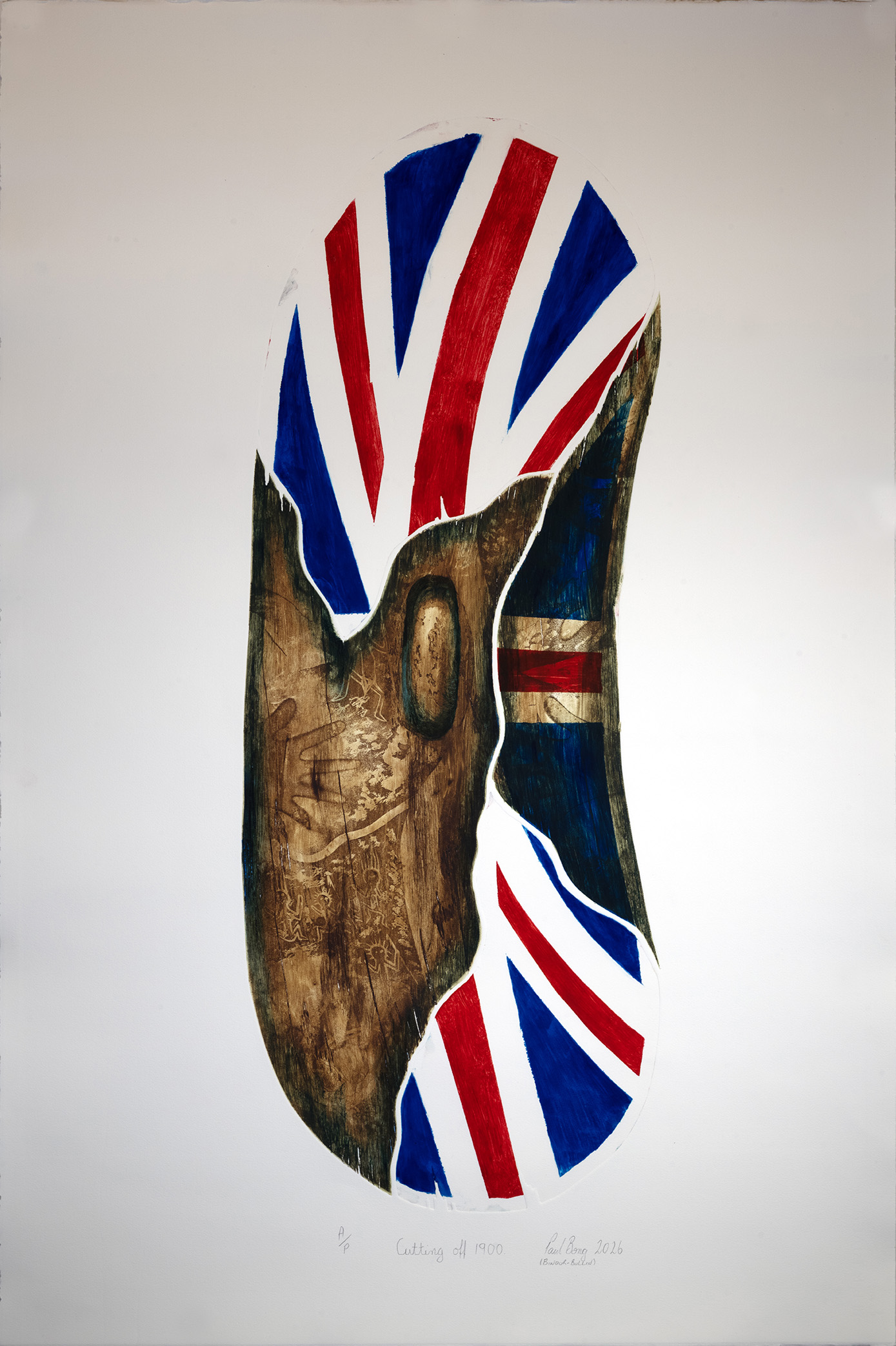
Paul Bong Bindur-Bullin, Archaeological Collection
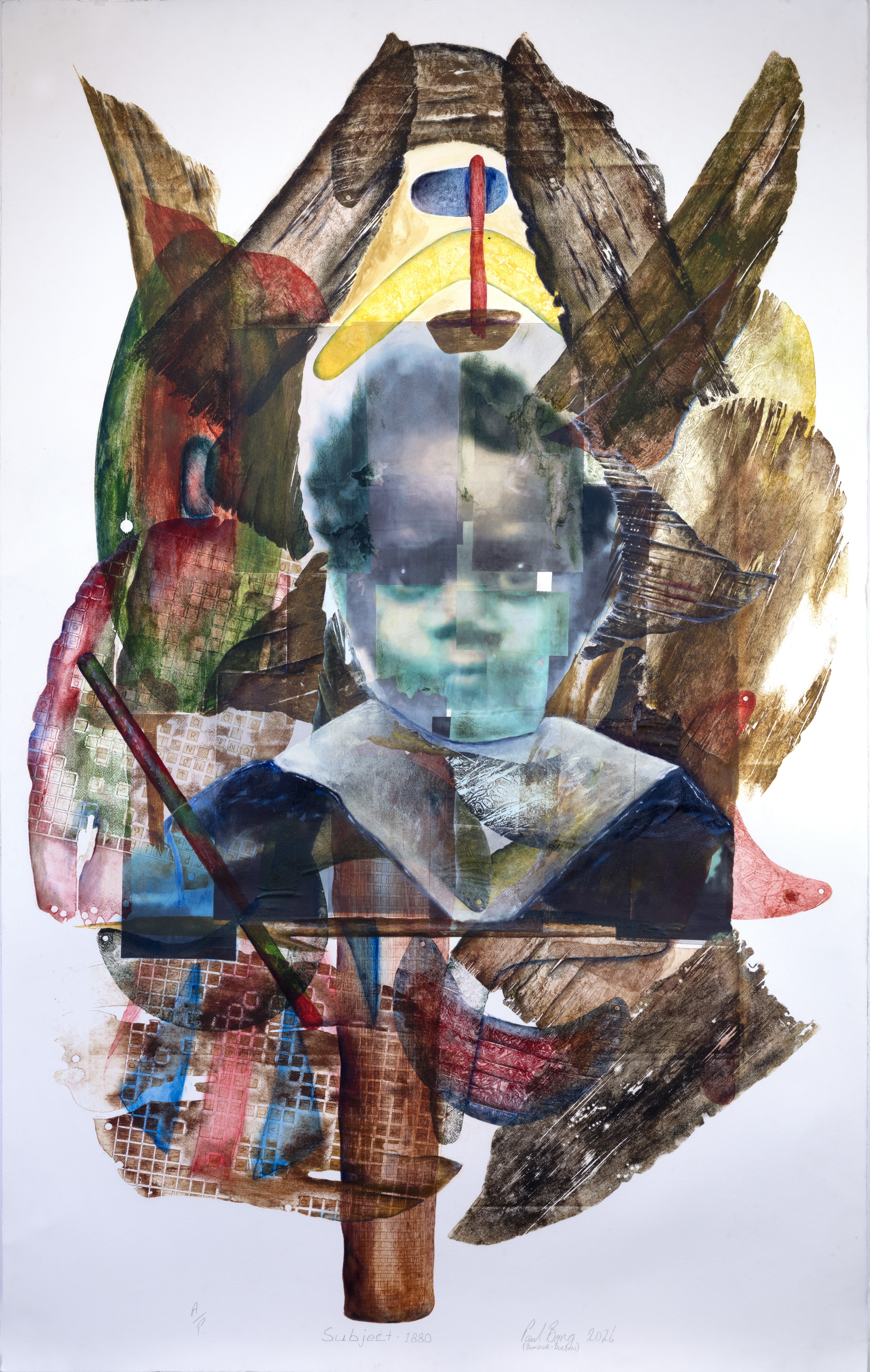
Paul Bong’s shield prints can be understood as a contemporary response to the historical rupture embodied by Lani’s story. Drawing on the traditional Yidinji rainforest shield—a form used for protection, ceremony, and identity—Bong reworks the shield as a site of memory, resistance, and cultural restoration.
Within the context of The Ghosts of Lani, the shields function as a counterpoint to the archival fragments that have been used to define Lani’s life. Where Lani survives in colonial images and records—most notably in Kahler’s Derby Day—Bong’s shields reclaim the narrative from a Yidinji perspective.
His Archaeological Collection embeds stories of Country, ancestral knowledge, and lived experience while also registering the violence, dispossession, and fragmentation that accompanied colonisation. Bong transforms the shield from an object of defence into a living surface of return, where what was taken—story, presence, authority—is symbolically brought back to Country.
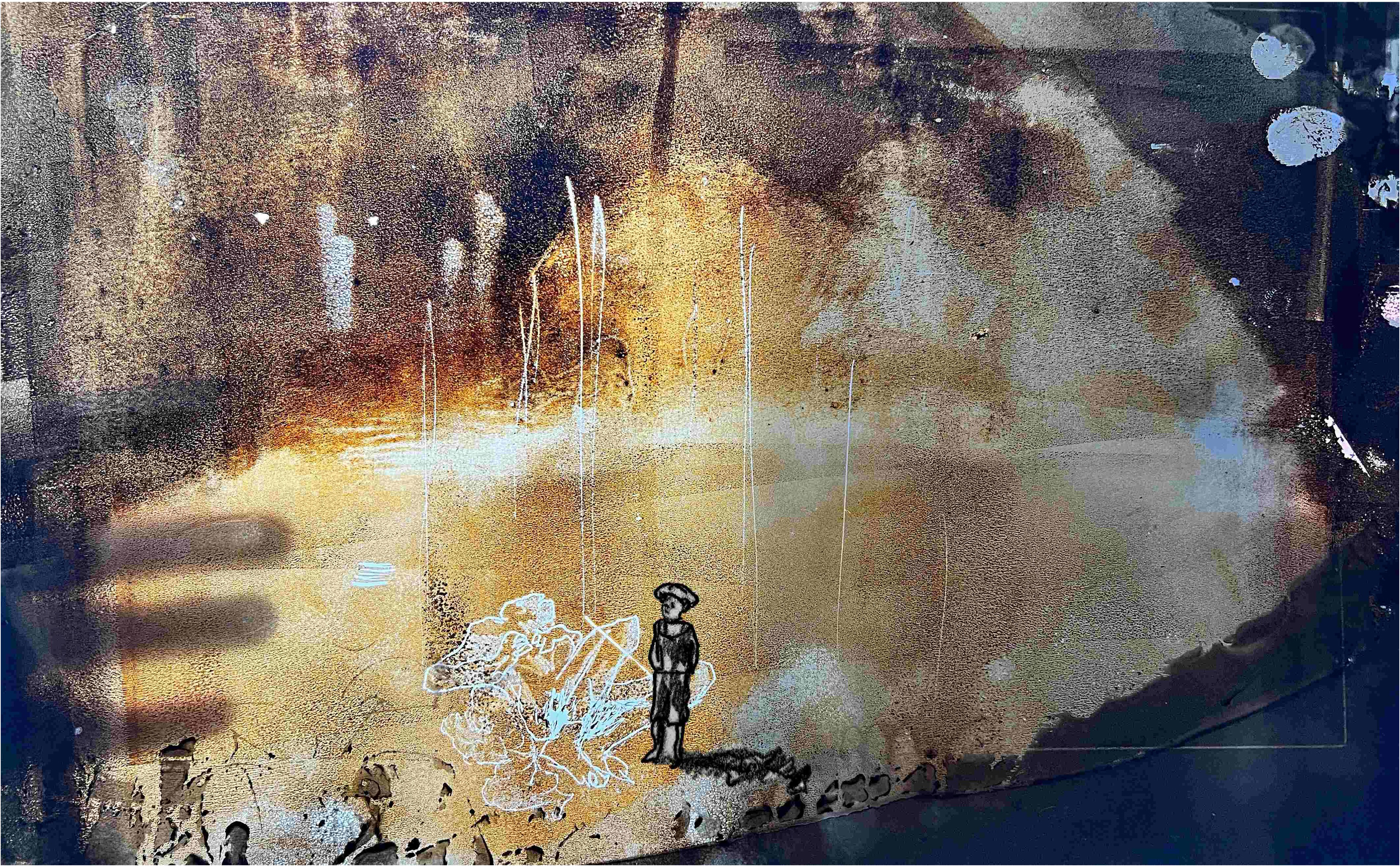
Demons Land Collective, Lani (2023), film
The Lani film was created by the Demons Land collective: a hybrid, experimental work that traces and explores the afterlives of Lani. Rather than presenting a conventional documentary narrative, the film works through fragments — images, archival traces, and performative or poetic elements — to examine Lani’s displacement, his presence within colonial visual culture (including the Derby Day painting), and the ways his story continues to resonate. At its core, the film treats Lani not simply as a historical subject, but as a figure who “haunts” the archive — linking past and present while emphasising the importance of memory, storytelling, and return to Country.
Carl Fourmile, Yidinji Lament (2023), mp3 soundwork
Lani’s Lament is a performative response to the story of Lani — a site of grief, memory, and cultural return. Drawing on texts from Robert Dixon’s Words of Our Country (1991), Fourmile repurposes a colonial archive to reclaim Lani’s story. As a Yidinji cultural practitioner deeply embedded in ceremony, song, and storytelling, Fourmile’s work draws upon these traditions to re-voice Lani’s story from within Country, shifting it away from colonial archives and into lived cultural expression. The “lament” operates both as mourning and assertion: an act of remembering loss while also restoring presence, continuity, and cultural knowledge through sound and embodied practice.
Hero Image: Carl Kahler | 'The Derby Day at Flemington' | 1886 | oil on canvas, glass and wooden gilded frame | 1950 x 2910 mm. On loan courtesy of Victoria Racing Club Collection.
Related…
More news, events and exhibitions

Shop
Works from the artist
Members receive 10% off the value of all artworks and items in store. Add a membership to your cart today to gather benefits.
Past Event: The Ghosts of Lani Mulgrave Blair // Opening Event