Inedible
13 April — 13 June 2026
NorthSite Contemporary Arts
Solomon Booth
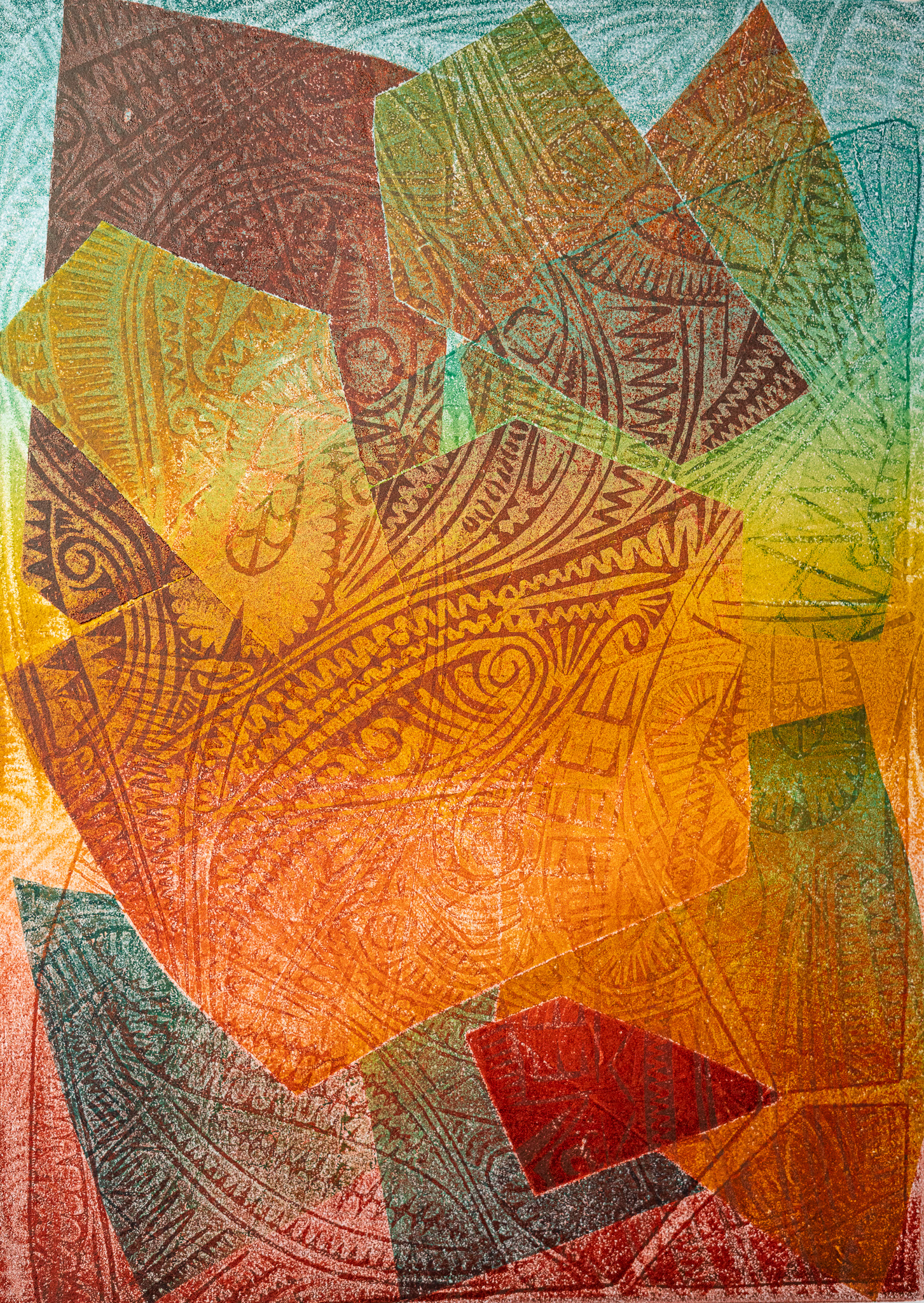
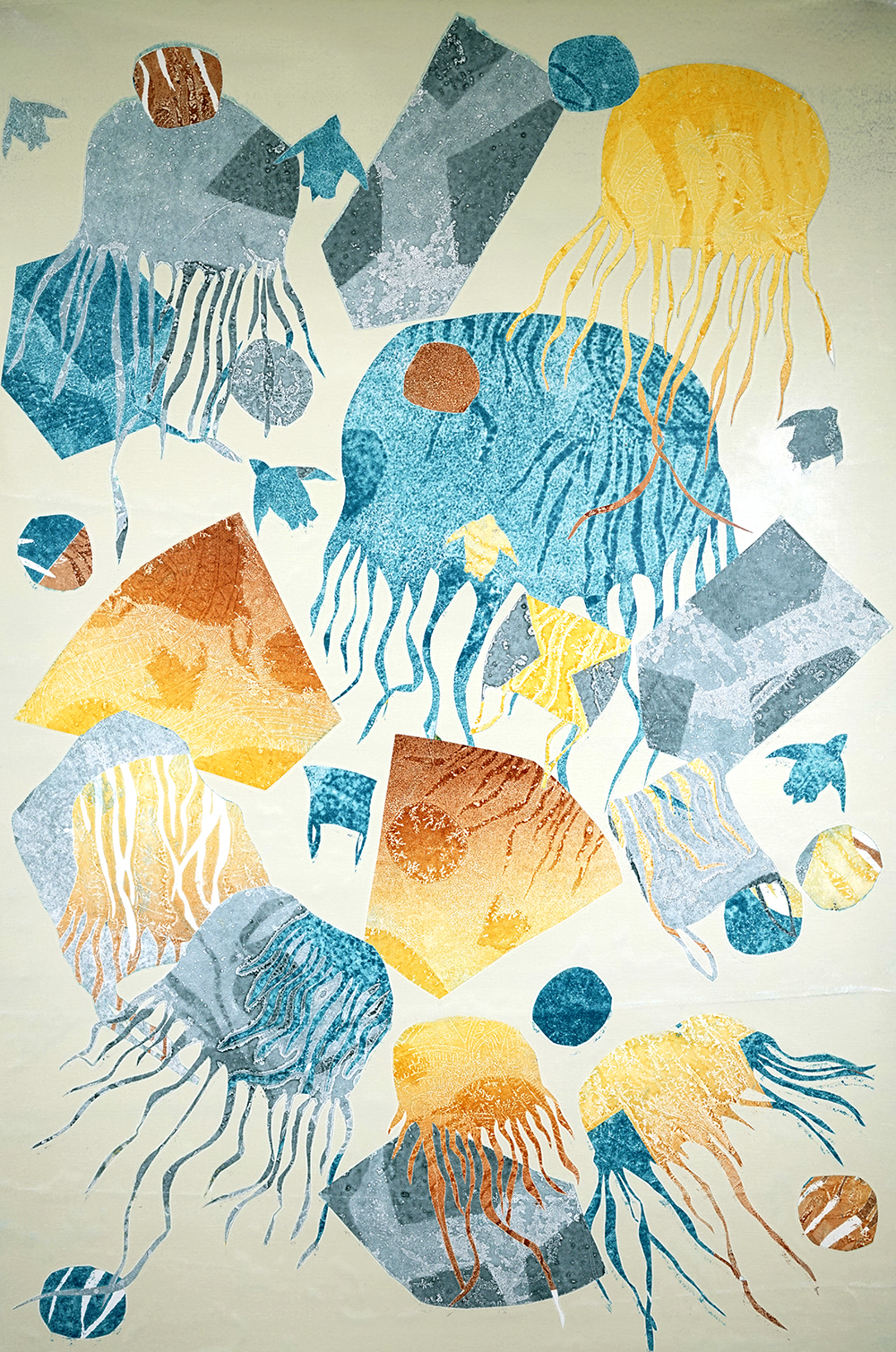
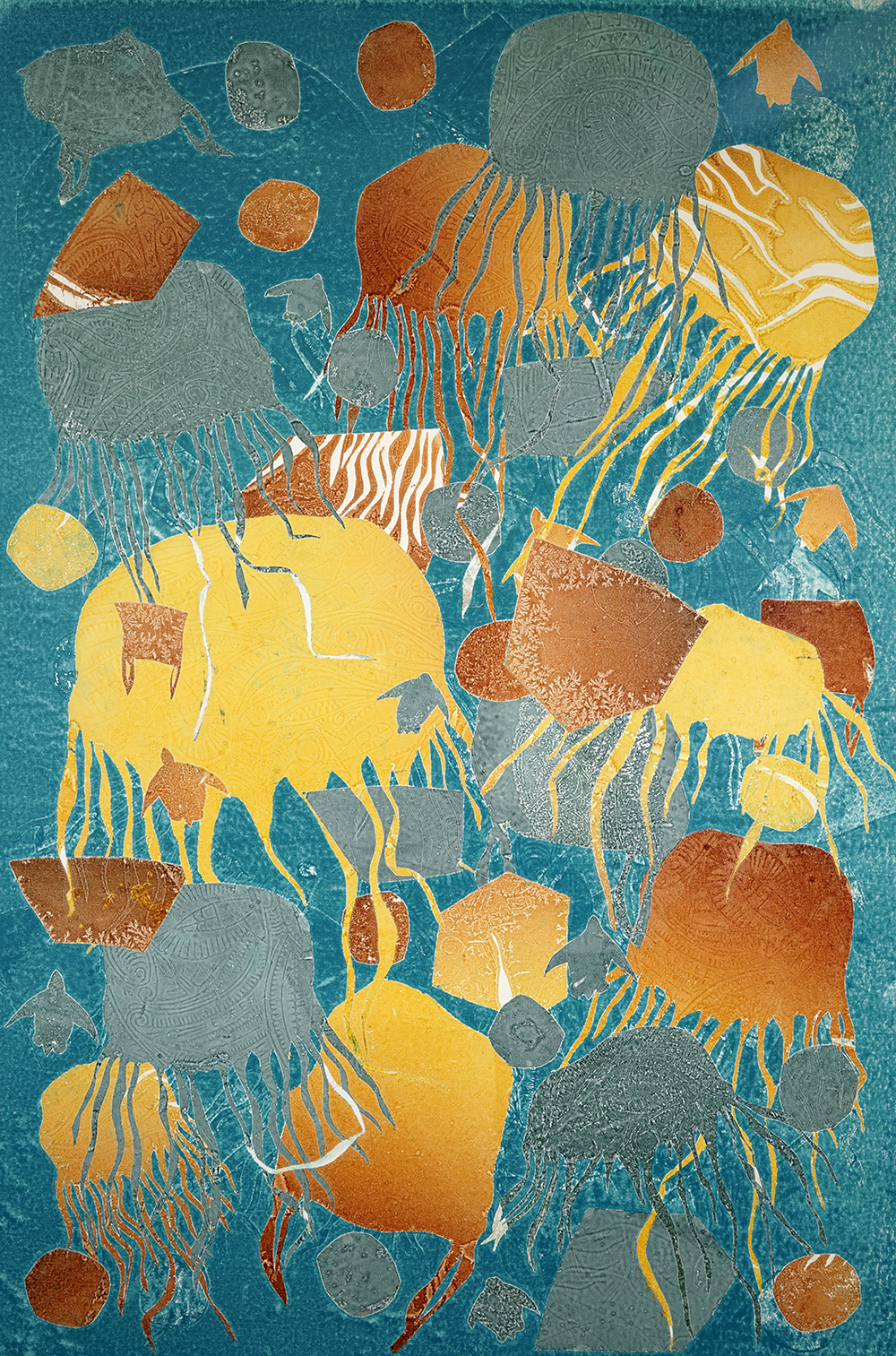
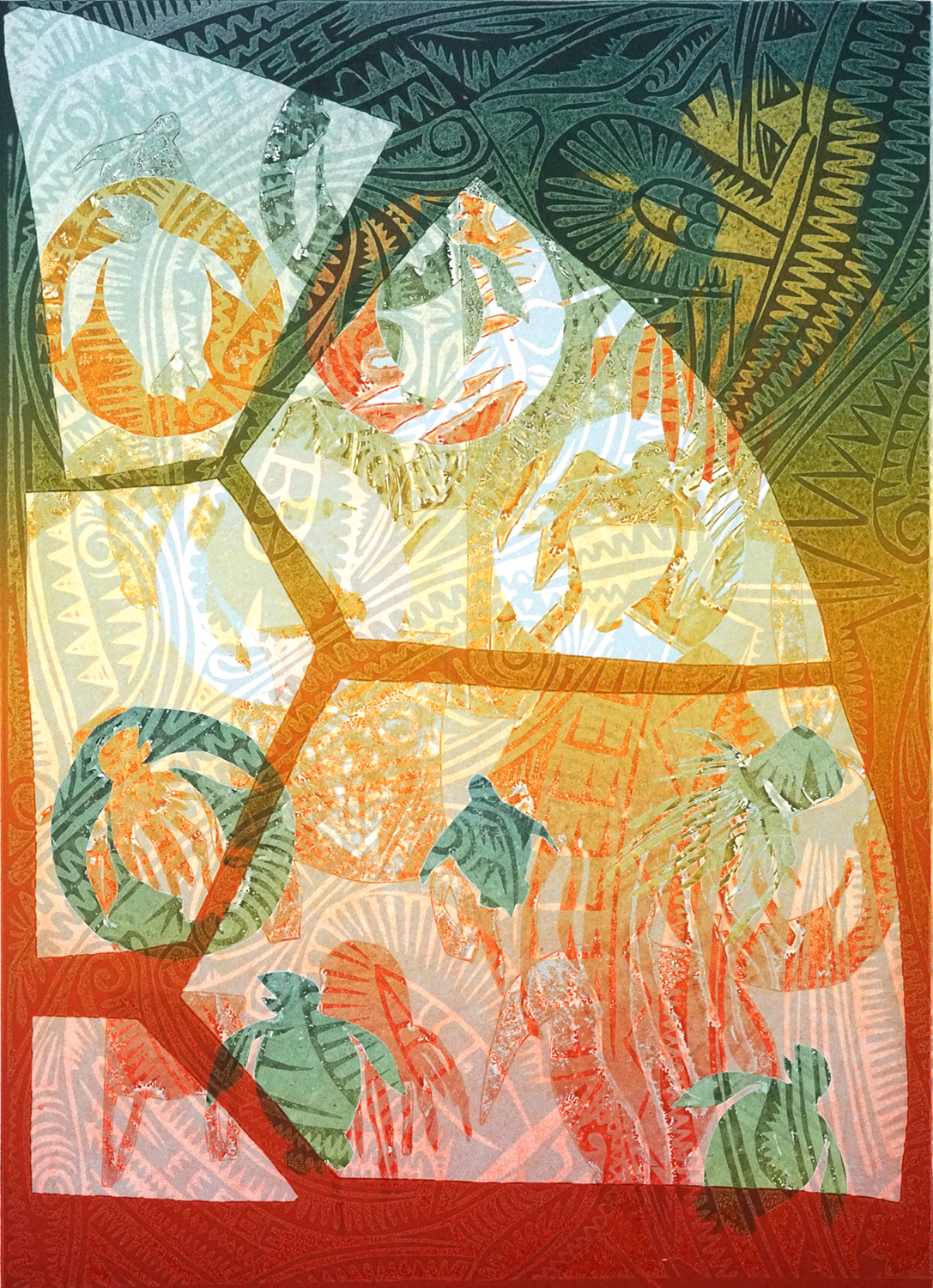
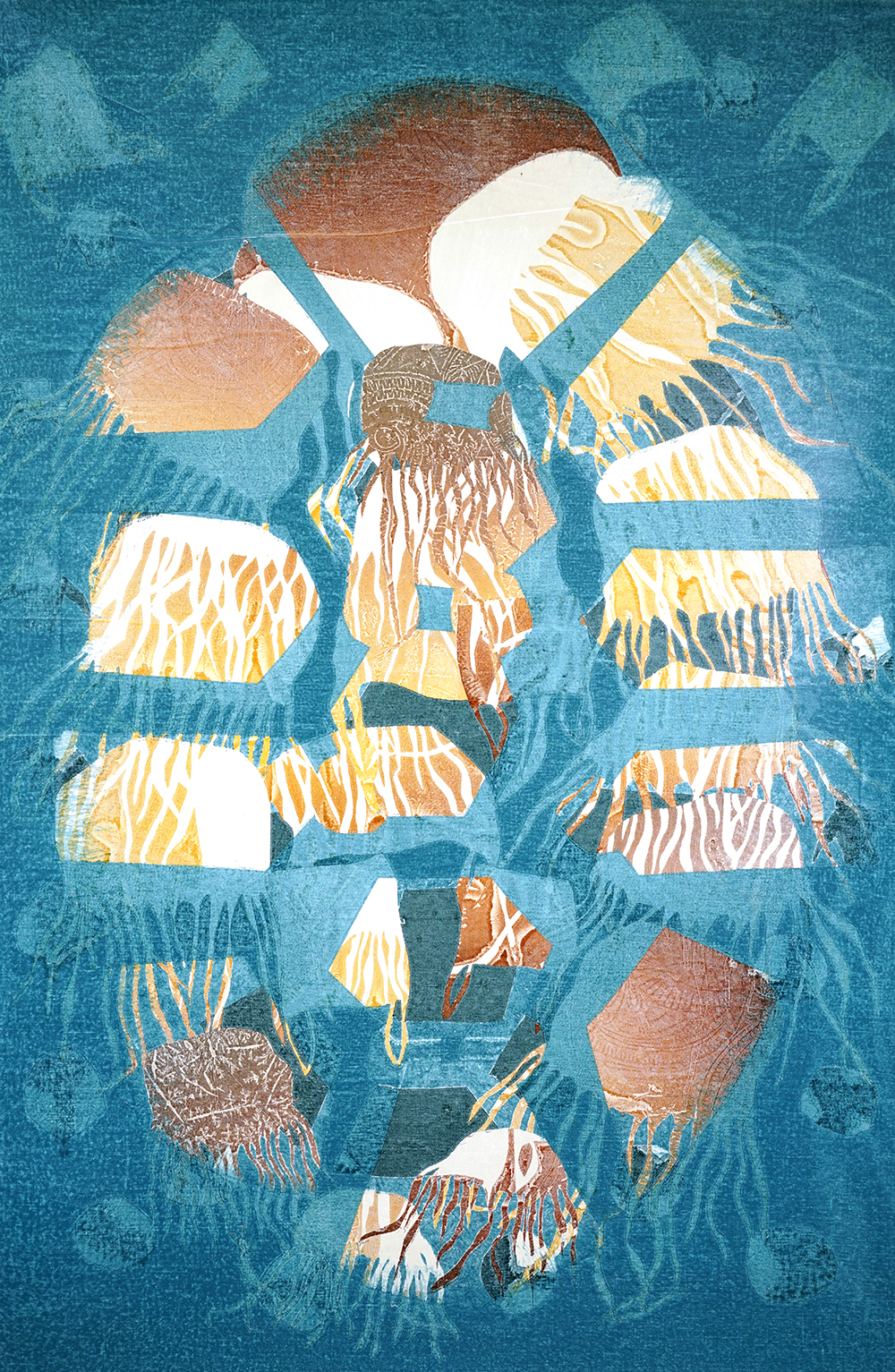
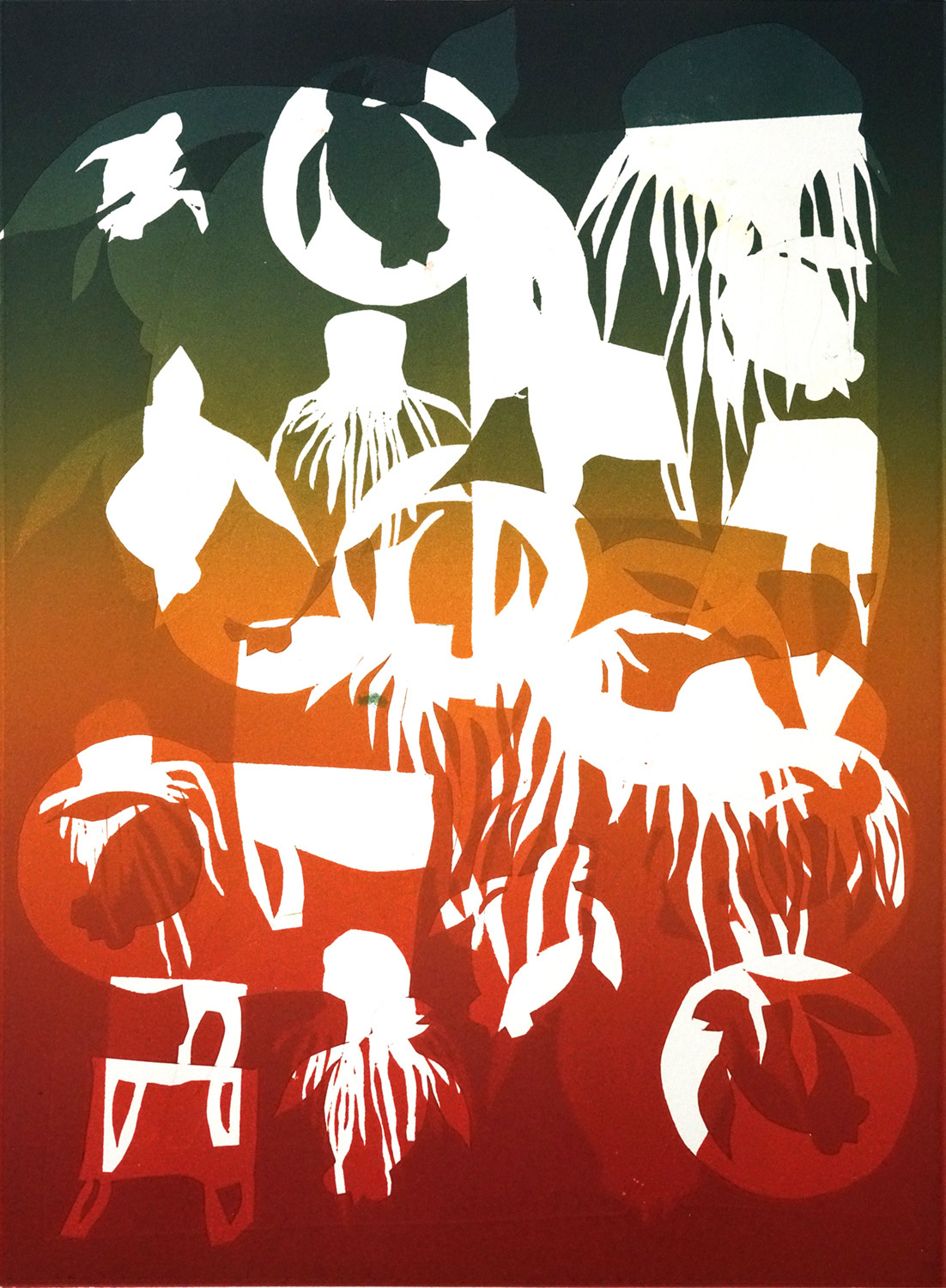
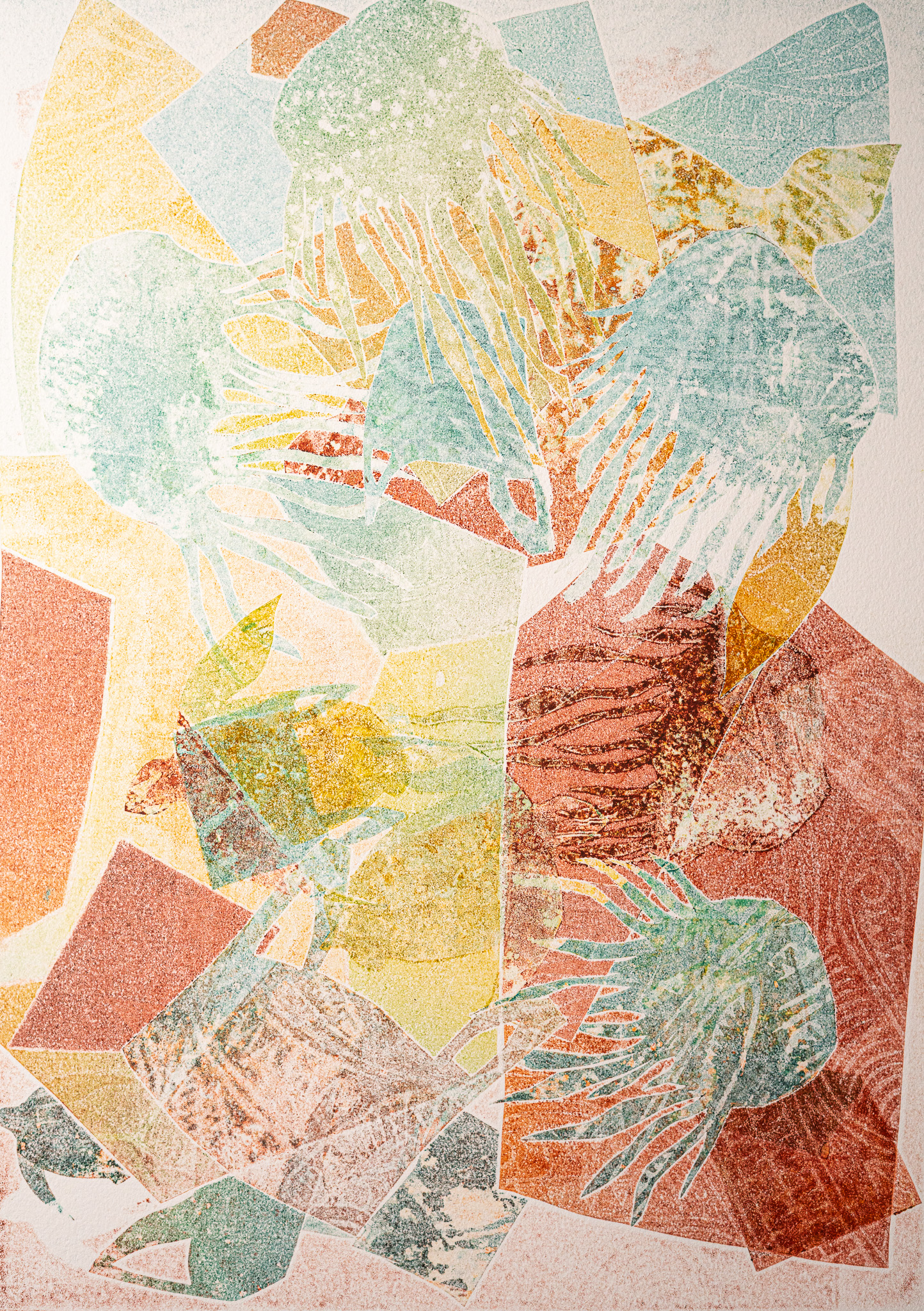
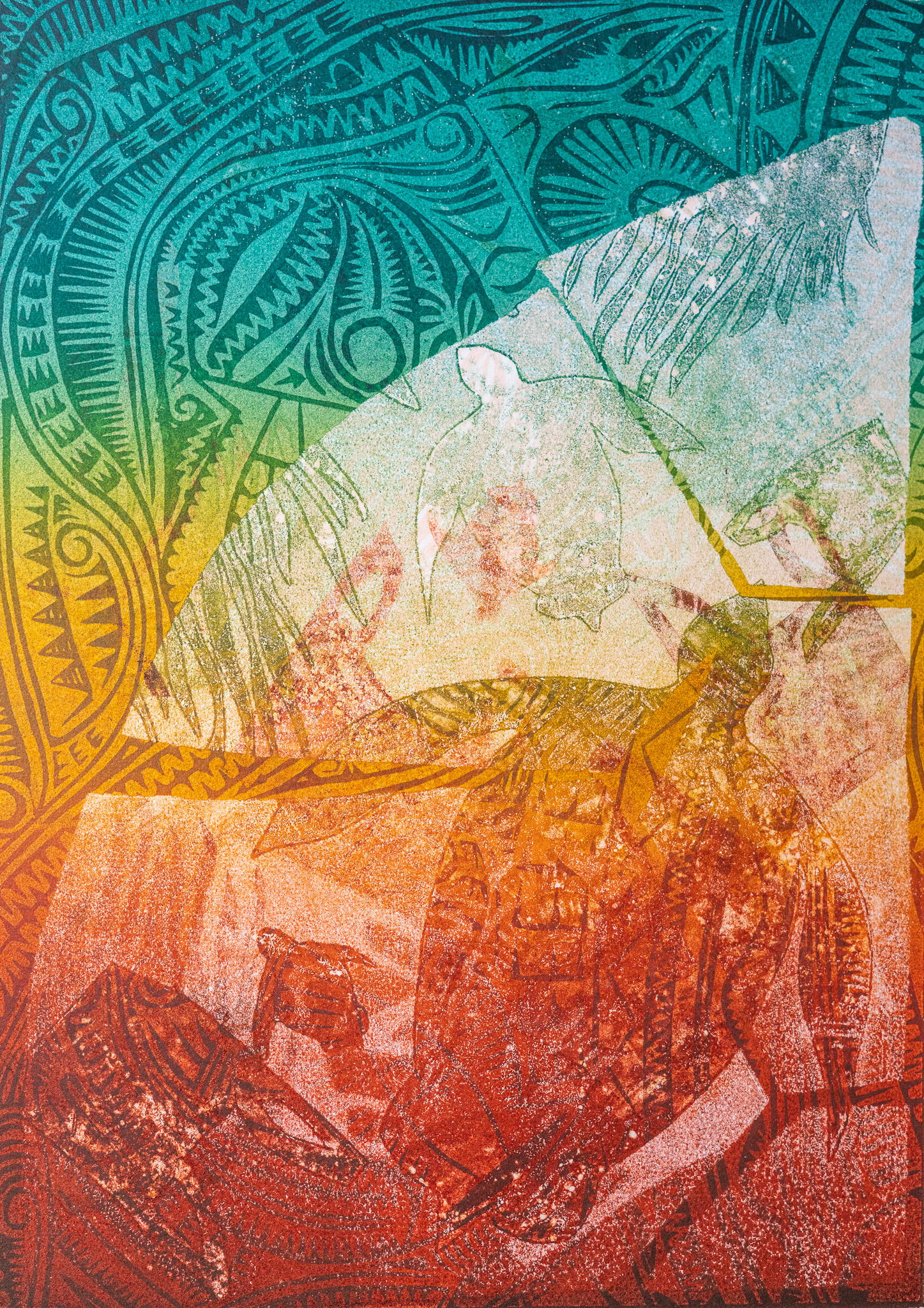
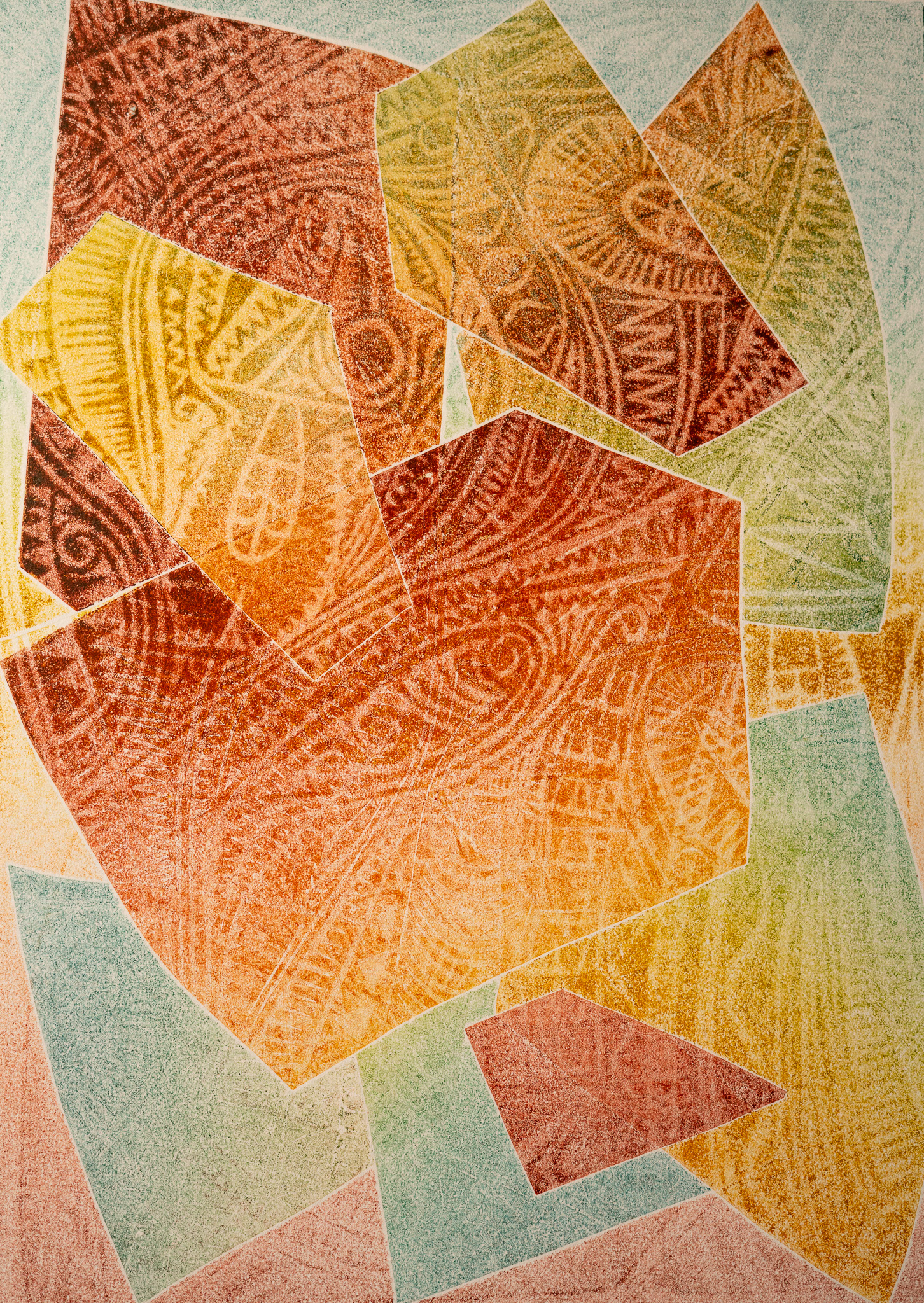
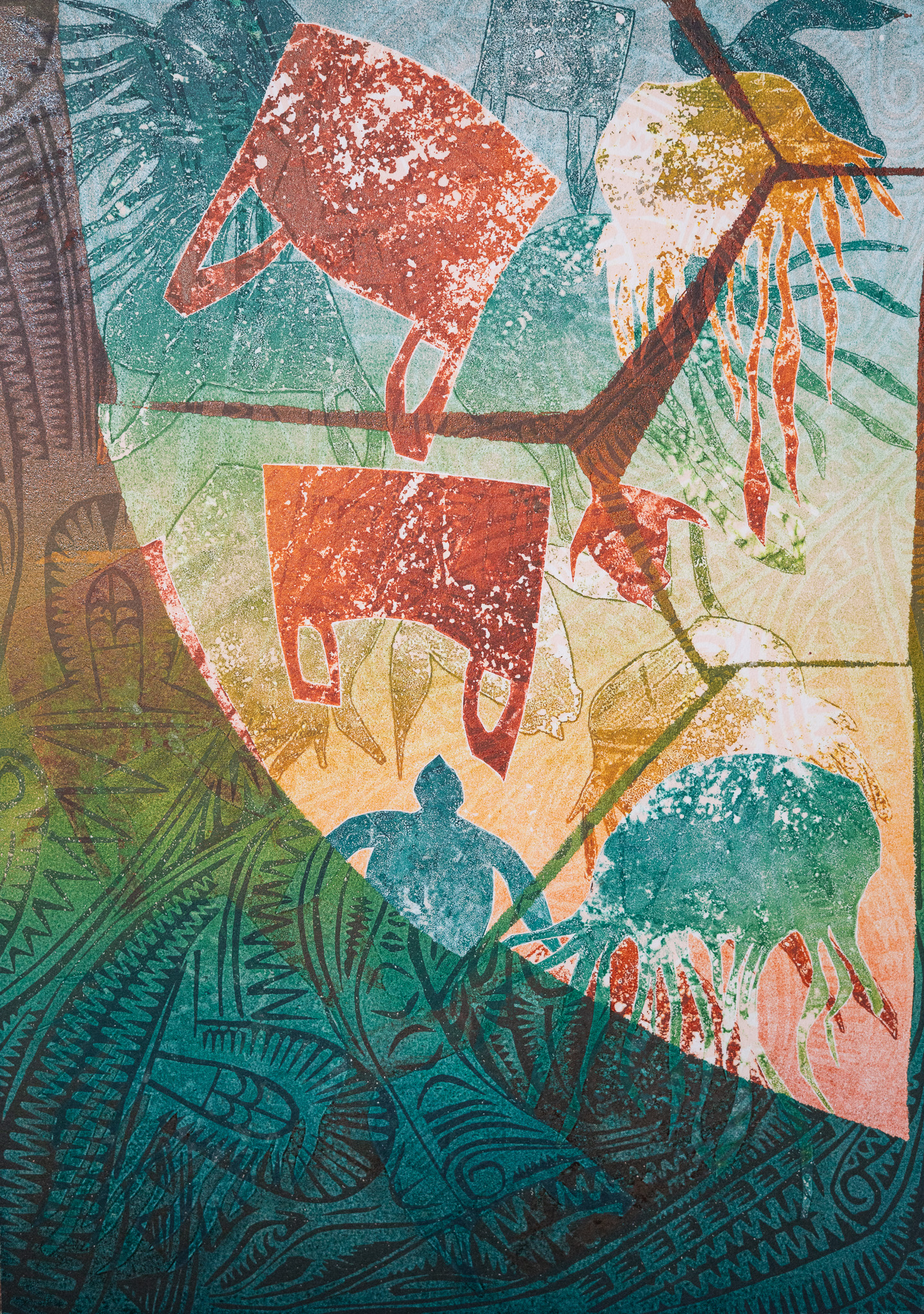
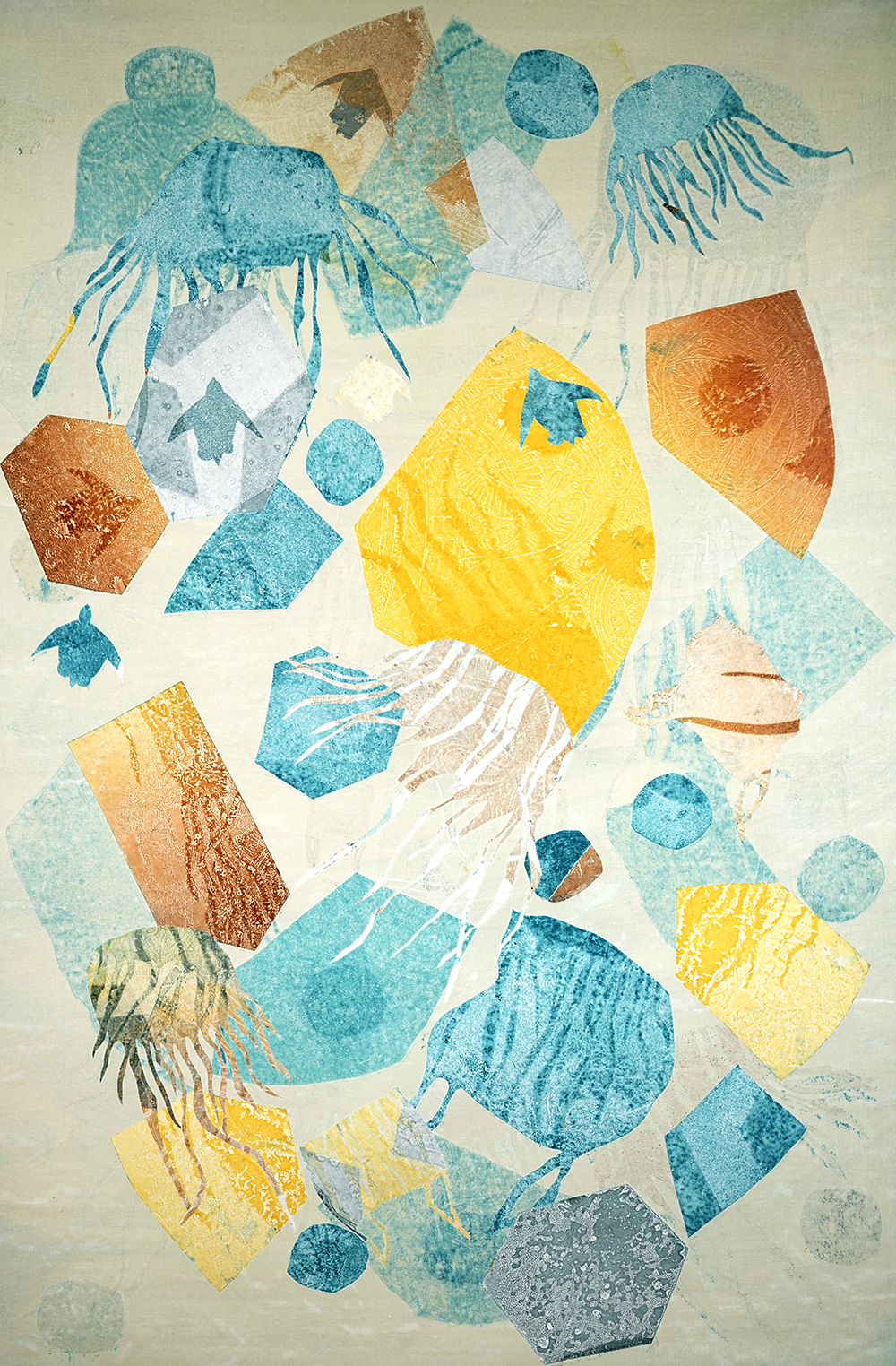
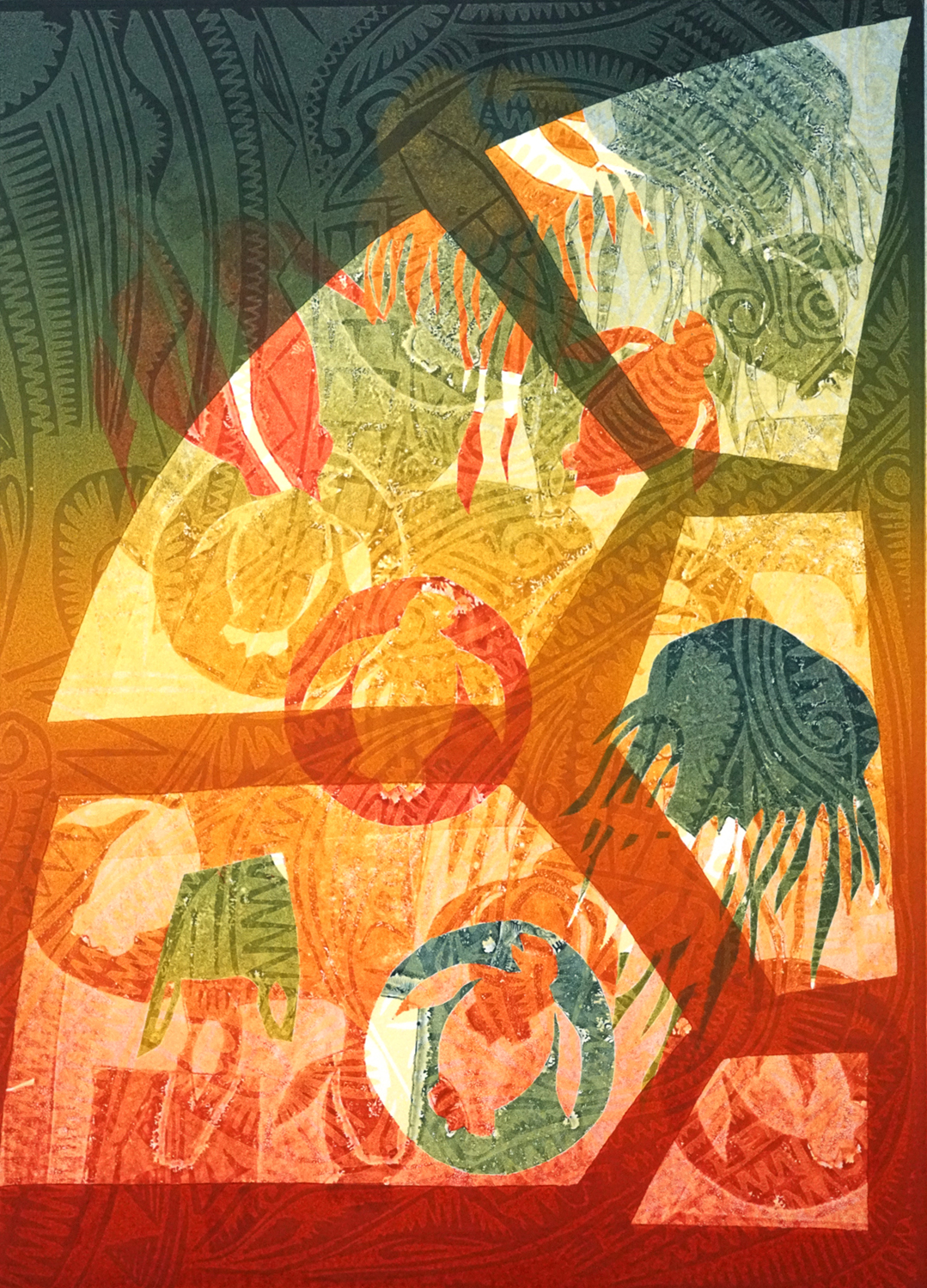
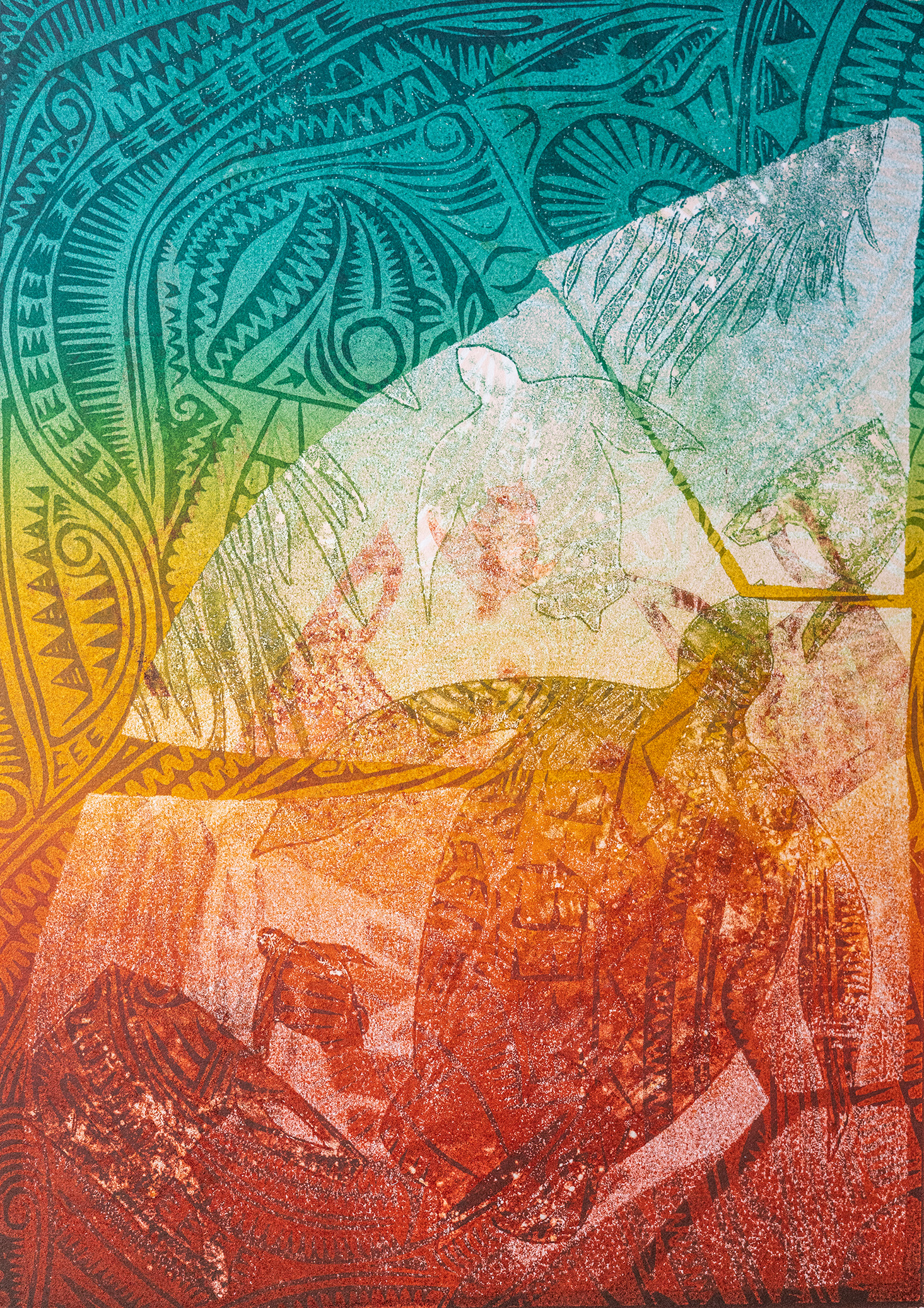
Beginning with a reflection on contamination and consumption, Solomon Booth interrogates the pervasive impact of plastic pollution on ecosystems, food sources, and the human body. Through a compelling visual and conceptual lens, it calls for greater awareness and responsibility, urging audiences to reconsider their relationship with the natural world and imagine a more balanced future.
“Whole food is not so wholesome when it’s contaminated—the smell, the taste—but what are we really eating? Sometimes we don’t realise it, yet we still consume it.
Today’s pollution has made plastic the number one pollutant of the modern era. It lingers in the environment, drifting aimlessly, yet always in search of a victim to choke. Are we really so self-centred that we fail to recognise the impact we are having on the natural world?
As a plastic bag drifts through the water, it can resemble a jellyfish—a food source for the green sea turtle. When consumed, it often leads to a slow and miserable death. With such impacts on the environment, we are left to wonder about our traditional sources of protein, such as green sea turtles, fish, and dugong. Will they still be here for future generations?
The environment is fragile when faced with human impact, but how much longer before we realise it is all too late? Microplastics have now been identified in the human body, and this is what this series of works also explores. It serves as an analogy, urging us to be mindful of our footprint in today’s world—to be aware of what we are consuming and whether it is good or harmful to our body, mind, and spirit.
Ultimately, this leads us to ask: what can we do, both individually and collectively, to create a better world—one where humanity lives in balance alongside the natural environment?
Plastic bags have their uses, but everything changes the moment you see one floating in a pristine environment.” – Solomon Booth, 2026

The environment is fragile when faced with human impact, but how much longer before we realise it is all too late?”